What That Musty Smell from Carpet Really Means and How to Fix It
Identifying the Problem
You walk into a room and notice it right away. That dull, earthy odor that seems to hang in the air no matter how much you air the place out. A musty smell from carpet is not just unpleasant. It is a signal that something is off with your indoor environment. Over the years I have dealt with this issue in dozens of homes, and the root cause almost always traces back to moisture and the biological activity it supports. Ignoring the smell does not make it go away. It usually gets worse.
Why Carpets Trap Odors
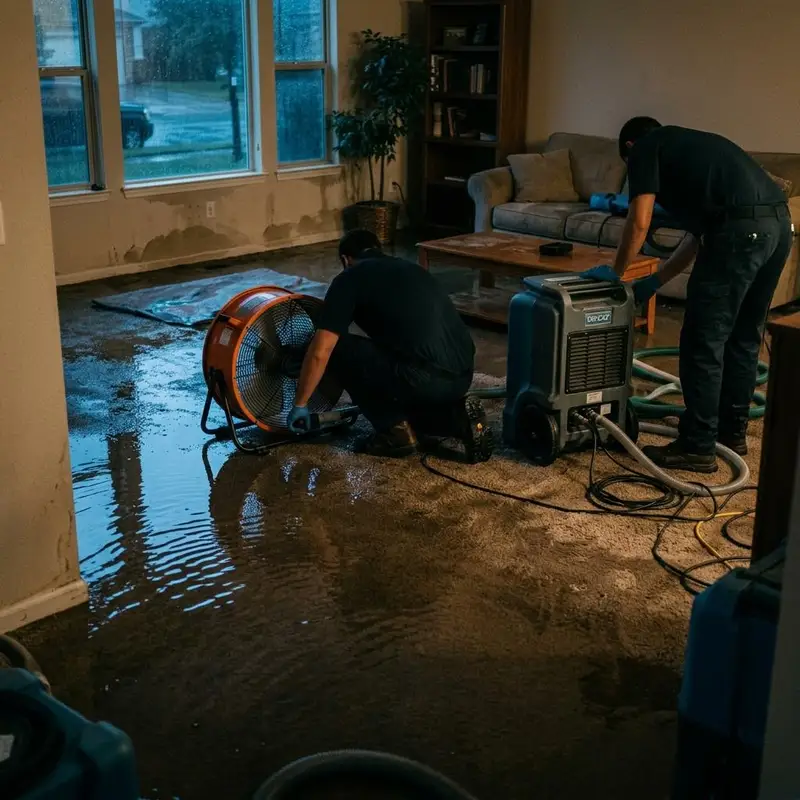
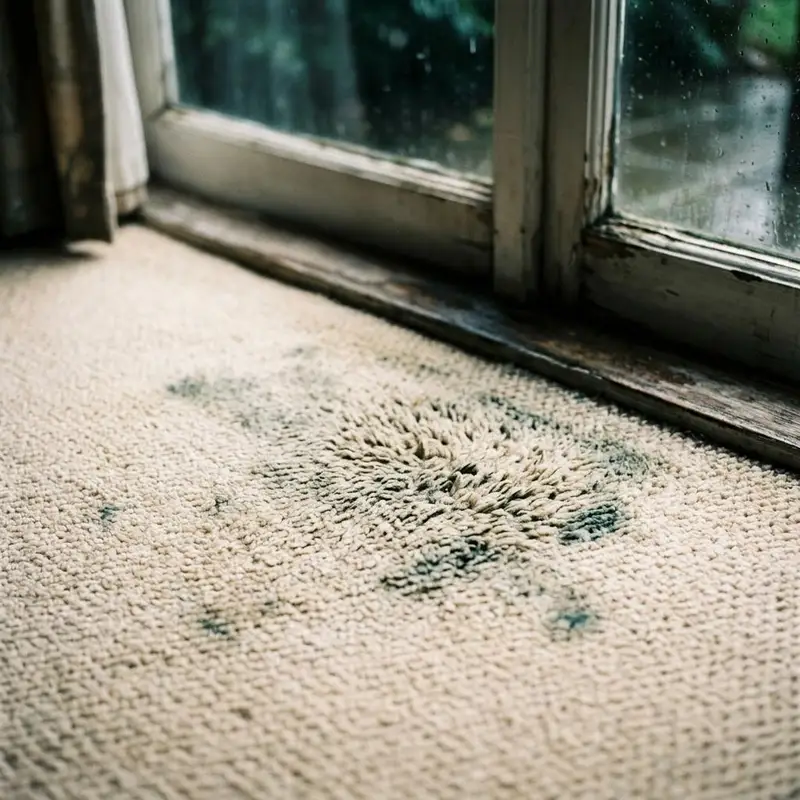
Carpet is a sponge. The fibers, the backing, and the carpet padding underneath all hold onto moisture. Spills, high humidity, and water damage from leaks or flooding can saturate these layers. Once the material stays damp for more than 24 to 48 hours, fungus and mildew start to grow. The musty smell from carpet is actually the volatile organic compounds these organisms release as they break down organic matter in the carpet. It is not a harmless smell. It is a sign of active microbial growth. In my experience, the worst cases happen in basements where concrete slabs wick groundwater upward, or near windows where condensation collects. If you have a finished basement with a low level of natural light and poor airflow, you are essentially giving mold a perfect growth chamber.
Moisture Sources You Might Have Missed
Moisture can come from places you would not immediately suspect. A slow pipe leak inside a wall can saturate carpet in an adjoining room without any visible water on the surface. An HVAC system that is not draining properly can dump condensation onto ductwork and then onto the floor. I once worked on a case where a homeowner had a dehumidifier running in their basement but had placed it too close to a wall. The unit was pulling moisture from the air, but the exhaust was blowing humid air directly onto the carpet every cycle. Within a few weeks the carpet padding underneath was soaked, and the smell was unmistakable. Leak detection is an essential first step. You cannot fix a moisture problem you cannot see. Even a small, hidden leak can create conditions that allow spores to colonize the carpet and the subfloor beneath it.
The Limits of DIY Remedies
Many people reach for baking soda or bleach when they smell something off. Baking soda can absorb some surface odors temporarily, but it does not kill fungus. Bleach is a strong disinfectant on hard, non-porous surfaces, but on carpet it breaks down quickly and can damage the fibers. Worse, bleach does not penetrate deeply enough to reach the padding or the subfloor. I have seen homeowners pour bleach onto a carpet, let it sit, and then vacuum it up. The smell improved for a few days, but the underlying moisture and mold were still there. Within a week the musty smell from carpet returned, sometimes stronger than before. Bleach can actually make the problem worse by adding extra moisture that the carpet cannot dry quickly. A better approach for superficial odor is a thorough steam cleaning with a machine that reaches high temperatures. Steam can kill surface mold and bacteria, but it will not fix a saturated pad or a contaminated subfloor. For that, you need professional mold remediation that addresses the entire system, not just the visible surface.
When to Call for Mold Remediation
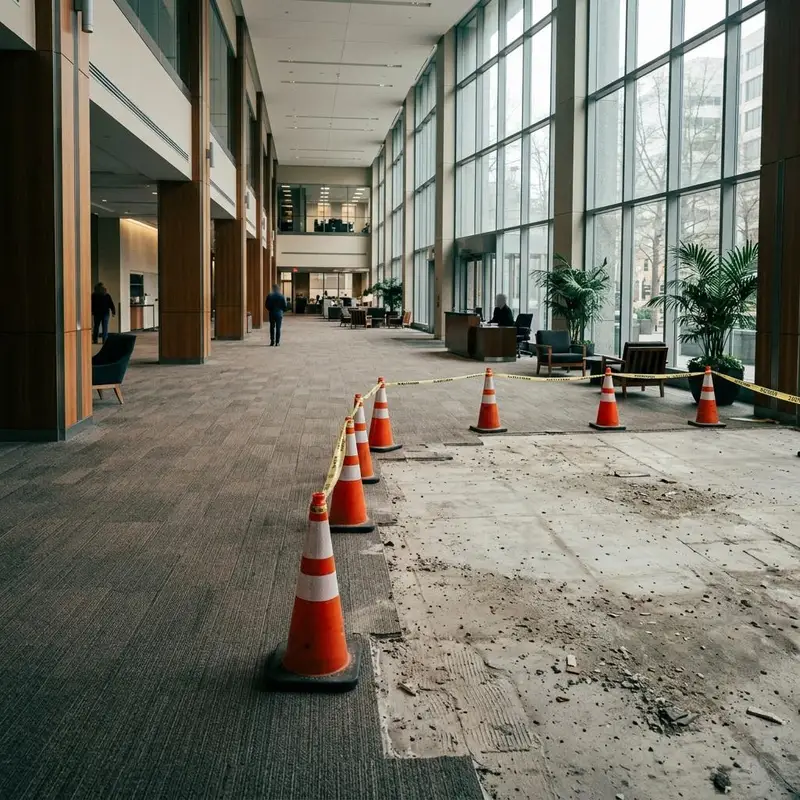
If the smell persists after a deep cleaning and you have checked for leaks, the problem has likely moved beyond what you can handle with consumer products. Mold remediation is not just about cleaning the carpet. It involves removing and disposing of contaminated padding, treating the subfloor with an antimicrobial treatment, and then addressing the moisture source so the problem does not recur. The Carpet and Rug Institute recommends that any water-damaged carpet be dried within 24 to 48 hours to prevent mold growth. If you have missed that window, the padding is probably ruined. In many cases, the carpet itself can be saved if the mold has not penetrated too deeply, but that depends on the type of carpet, the extent of water damage, and how quickly you act. A professional will use a HEPA vacuum during the removal process to capture airborne spores, and they may apply an antimicrobial treatment to the subfloor before new carpet is laid. This is not a job for a weekend warrior. I have seen too many do-it-yourself attempts that only stirred up spores and spread contamination to other rooms through the HVAC system.
Prevention Strategies That Actually Work
Once you have solved the immediate problem, keeping the carpet dry is the only long-term solution. Here is what I have found effective across many homes:
- Use a dehumidifier in basements and any room with a history of moisture. Keep the humidity below 50 percent.
- Run an air purifier with a HEPA filter in the same space to capture airborne spores before they settle.
- Check under furniture and along baseboards regularly for signs of condensation or dampness.
- Fix any plumbing leaks immediately. A slow drip from a pipe can saturate carpet padding in a matter of days.
- If you have a crawlspace or slab-on-grade foundation, consider a vapor barrier to prevent groundwater from wicking up into the subfloor.
These steps are simple, but they work. The key is consistency. A single week of high humidity can reverse months of prevention. In my experience, people who deploy a dehumidifier and check their HVAC system once a season rarely end up with mold problems. Those who rely on occasional steam cleaning and air fresheners often find themselves calling a remediation crew later on.
Encapsulation as a Last Resort
There is a technique called encapsulation that some contractors use when removing the carpet is not practical. It involves applying a sealant over the moldy area to trap spores in place and prevent them from becoming airborne. Encapsulation can work in certain situations, like a small area of mold on a concrete subfloor that you cannot access easily. But it is a bandage, not a cure. The moisture is still there. The mold is still growing under the sealant. Eventually the encapsulation breaks down or the moisture pushes through elsewhere. I only recommend it when removal is truly impossible, and even then I advise monitoring the area closely. The better solution is always to remove the contaminated material, fix the moisture source, and start fresh.
Final Thoughts on the Musty Smell
A musty smell from carpet is not something you should live with. It is an early warning that your indoor air quality is compromised, and the longer you wait, the more expensive the fix becomes. I have walked into homes where the smell was so faint that the homeowner thought it was just "old house smell." Three months later, the same room had visible mold creeping up the baseboards and a family member with persistent respiratory symptoms. The connection between damp carpet, mold spores, and health problems is well documented. If you can smell it, you are breathing it. The good news is that the problem is solvable. You just have to treat it seriously and get the right help when the job exceeds what a steam cleaner and a dehumidifier can handle. Start with a thorough inspection, identify the moisture source, and do not cut corners on the remediation. Your carpet, your subfloor, and your lungs will thank you.